
Journal
Wellness, written with rigor.
Plain-English explainers from our science team and clinical partners — no hype, just the evidence.
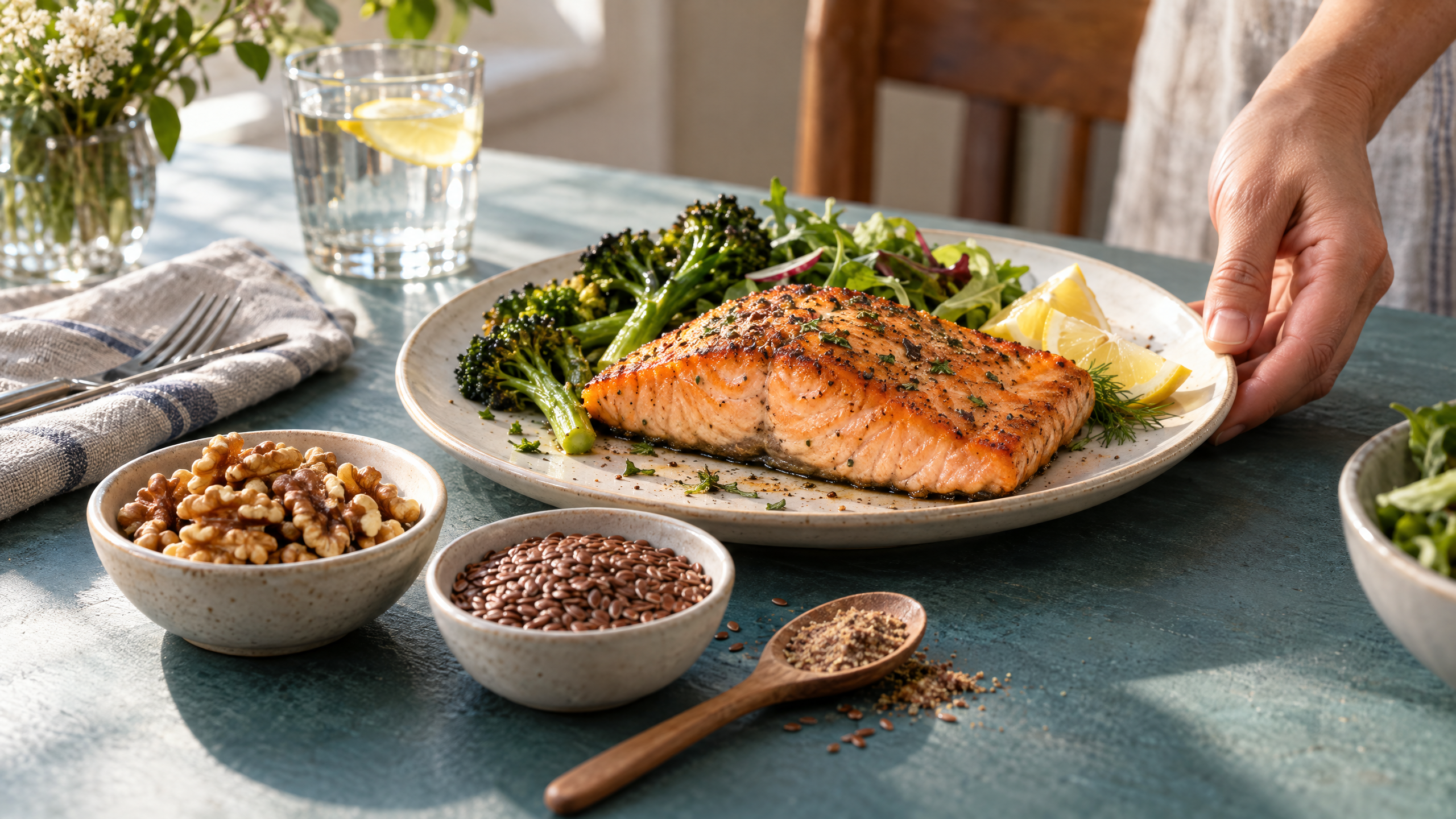
Omega-3s on the Menu: Fish, Walnuts and Flax Explained
Fish, walnuts and flax all contribute omega-3s—but not the same forms. Learn how plant ALA differs from seafood EPA and DHA, and what that means for everyday food choices.
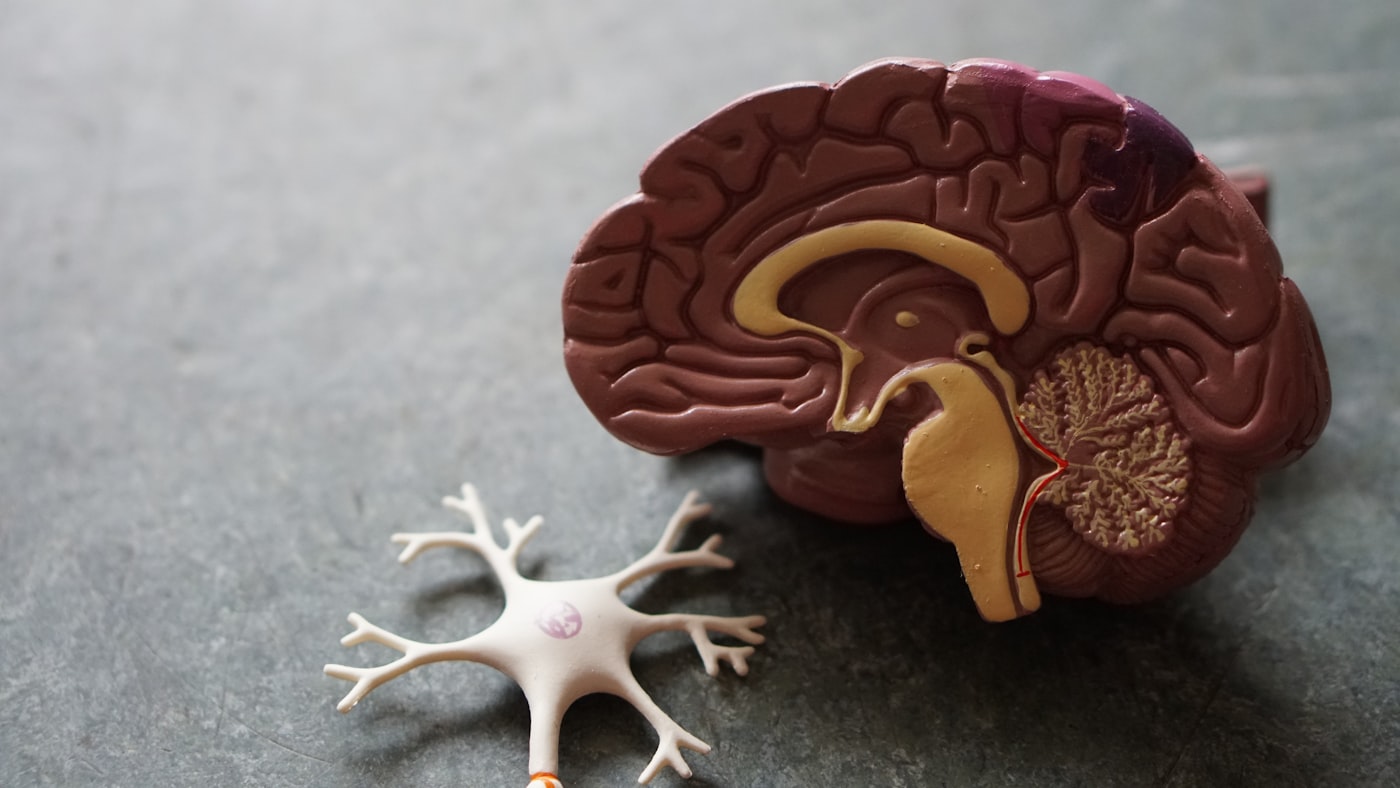 Cognitive Health
Nurturing Focus: The Science of Cellular Brain Energy
Explore the sophisticated relationship between cellular membrane integrity, neurotransmitter synthesis, and daily mental focus. Learn how evidence-based nutritional strategies support long-term brain health.
 Sleep & Recovery
Your Body Clock and Sleep: Why a Steady Wake Time Can Help
Sleep timing depends on more than choosing a bedtime. Learn how your body clock and sleep pressure work together—and why a reasonably steady wake time can be a practical anchor without becoming a rigid rule.
 Nutrition Education
Everyday Hydration: Why Your Water Needs Aren’t One Fixed Number
Hydration is more than counting glasses. Learn what total water intake means, why needs change, and when a generic fluid goal should give way to individual medical advice.
 Sleep & Recovery
Caffeine and Sleep: Why There Isn’t One Perfect Cutoff Time
A late coffee is not the only caffeine choice that can affect sleep. Learn how amount, timing, and individual sensitivity interact—and why a daily intake figure is not a bedtime guarantee.
 Nutrition Education
Adding Fiber Gradually: Why a Slow Start Matters
More fiber does not have to mean changing every meal at once. Learn why gradual changes can be easier to tolerate, where fiber comes from, and when digestive symptoms deserve medical attention.
 Nutrition Education
What the Magnesium Number on a Supplement Label Really Means
Understand the magnesium amount on a U.S. Supplement Facts panel, how serving size and %DV guide comparisons, and what labels cannot say about supplement safety.
 Nutrition Education
Feeling Tired? Why Iron Supplements Aren’t a Shortcut to a Diagnosis
Fatigue can occur with iron deficiency, but it does not prove that more iron is the answer. Learn what blood tests can—and cannot—show, why the cause matters, and what to discuss before starting a supplement.
 Nutrition Education
Citicoline and Brain Health: What the Evidence Can—and Can’t—Say
Citicoline plays a role in cell chemistry, but that alone does not show a supplement improves memory. Here is what a 12-week trial, EFSA’s review, and independent evidence assessments do—and do not—show.
 Nutrition Education
Protein Through the Day: A Practical Guide to Building Balanced Meals
Protein does not have to mean powders or oversized portions. Build varied meals from familiar foods, understand why needs differ, and separate useful meal planning from promises about perfect timing.
 Cognitive Health
What the research says about citicoline and daily focus
Citicoline has been studied in more than 150 clinical trials. Here is what the evidence actually shows — and why the form and dose you take matters more than most people realize.
 Sleep & Recovery
Why ingredient form matters: a primer on bioavailability
Two products can list the same ingredient on their label and deliver completely different results. The reason is almost always bioavailability — how much of an ingredient actually reaches the tissues where it needs to work.
 Skin From Within
Biotin, collagen and UV defense — how skin support actually works
Skin health is one of the most complex and misunderstood areas of nutraceutical science. Understanding how biotin, collagen peptides, and lycopene work can help you make smarter choices.
 Metabolic Wellness
Berberine and metabolic health: a clinical review
Berberine is a plant alkaloid with over 2,900 published studies and a growing body of clinical evidence for blood sugar balance and lipid metabolism. Here is what the science actually says.
 Immune & Bone Health
Vitamin D3 and K2: why these two nutrients work better together
Vitamin D3 deficiency affects an estimated 1 billion people worldwide. But taking high-dose D3 without K2 may direct calcium to the wrong places. Here is what the research shows.
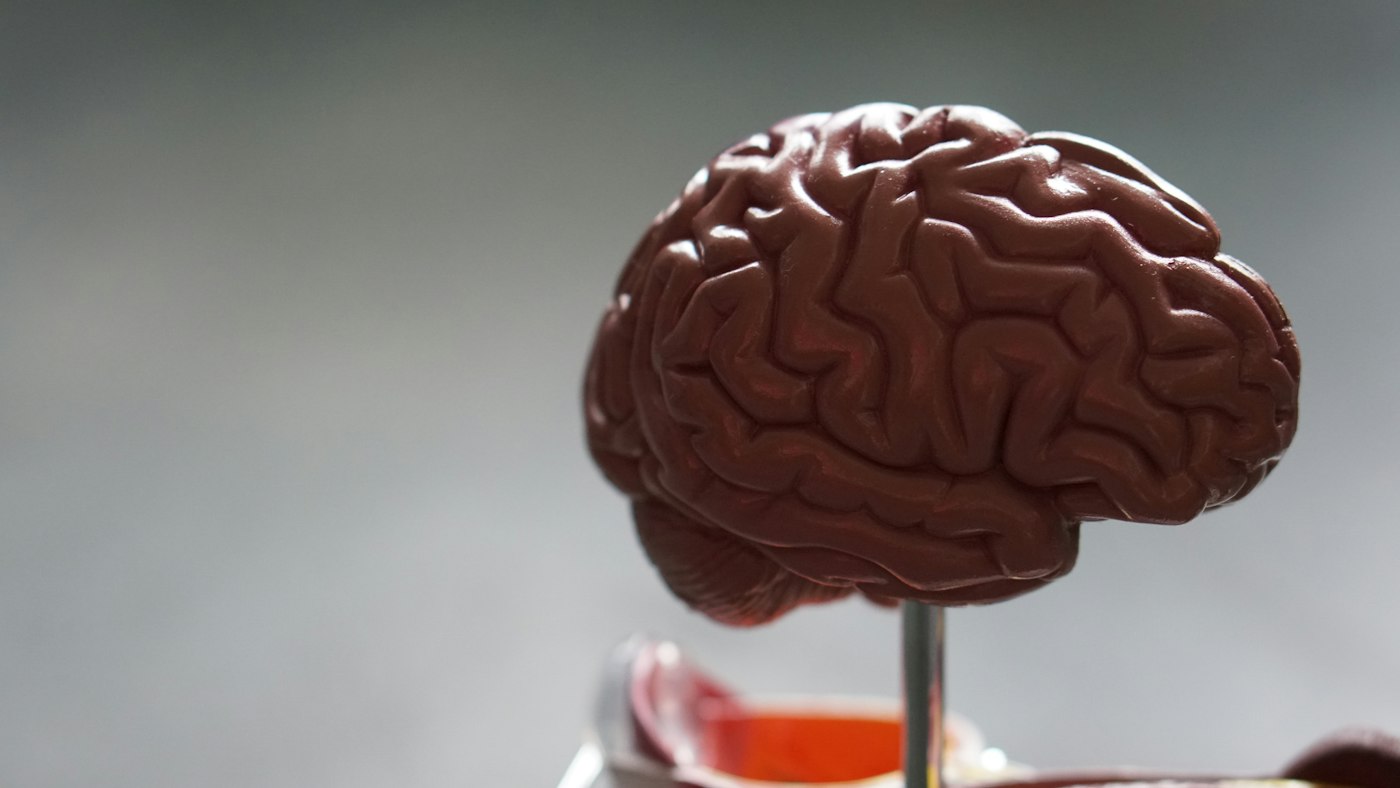 Gut-Brain Health
The gut-brain axis: what it is and why it matters for your mood and focus
Over 90% of the body's serotonin is produced in the gut. The gut-brain axis is not a metaphor — it is a bidirectional communication network with direct implications for mood, cognition, and stress response.
 Clinical Standards
What 'hypoallergenic' actually means in a supplement — and why it matters
The term 'hypoallergenic' is not regulated by the FDA for supplements. Here is what it should mean — and how to evaluate whether a product actually meets that standard.
Stay informed
Science in your inbox.
New articles, product updates, and evidence-based wellness insights — delivered monthly.