
More fiber does not have to mean changing every meal at once. Learn why gradual changes can be easier to tolerate, where fiber comes from, and when digestive symptoms deserve medical attention.
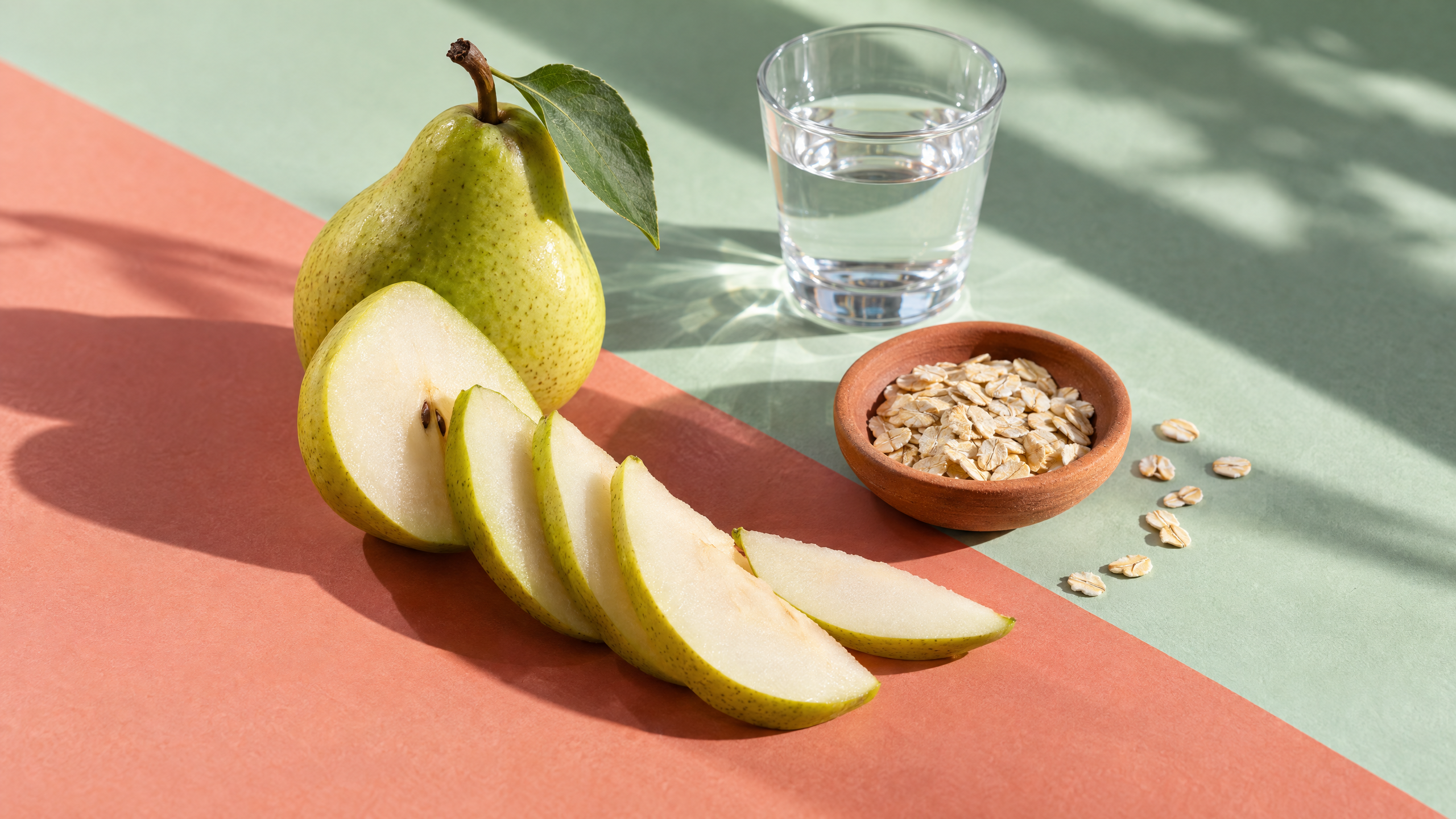
Familiar foods, manageable changes: a gradual approach to adding fiber starts with what works for you.
A bowl of bran cereal, a large bean salad, and an extra helping of raw vegetables may sound like a healthy reset. But changing everything at once can leave you uncomfortable. Eating a large amount of fiber in a short period can cause gas, bloating, and abdominal cramps.[1] That does not mean fiber is inherently a problem—or that discomfort is something you should simply push through.
A more useful approach is to make manageable changes, pay attention to tolerance, and keep medical symptoms separate from everyday meal planning.
What fiber does—and what the label cannot tell you
Dietary fiber comes from plant foods, including fruits, vegetables, grains, beans, nuts, and seeds. It supports digestion and can help prevent constipation.[1,2] It is not a promise of a “cleanse,” an instant digestive reset, or a cure for unexplained symptoms.
Soluble fiber attracts water and forms a gel during digestion. Sources include oats, barley, beans, and some fruits and vegetables. Insoluble fiber, found in foods such as wheat bran, vegetables, and whole grains, adds bulk to stool and can help food pass through the digestive tract.[1] These categories explain some differences in behavior; they do not make all foods or all fibers interchangeable.
A fiber number on a package is useful information, but it cannot predict how a particular food or portion will feel for you. A familiar food pattern and an individualized plan matter more than chasing the biggest number.
Start with one change you can repeat
Instead of overhauling breakfast, lunch, and dinner together, choose one modest adjustment. You might try oatmeal in place of a lower-fiber breakfast, add a small portion of lentils to a familiar soup, or include a fruit or vegetable you enjoy. Whole grains, legumes, fruits, vegetables, and nuts are all examples of fiber sources listed by the National Institute of Diabetes and Digestive and Kidney Diseases (NIDDK).[2]
These are alternatives, not instructions to add everything at once. Choose foods and portions that fit your appetite, allergies, budget, and any prescribed diet. MedlinePlus advises increasing fiber gradually over a few weeks to reduce digestive distress.[1] There is no need to turn that into a rigid daily challenge.
If a change is uncomfortable, reconsider the portion and pace rather than automatically increasing it again. A brief note about the food, amount, and symptoms can help you describe a pattern to a clinician or dietitian; it cannot diagnose a food intolerance.
Remember fluids—but avoid a universal quota
NIDDK recommends liquids to help fiber work better and notes that appropriate fluid intake depends on factors such as health, activity, and body size.[2] A generic instruction to drink more is not suitable for everyone. If your care team has given you a fluid limit, follow that plan and ask how dietary changes fit it.
Fiber and fluids are parts of an overall pattern, not a guarantee that constipation will resolve. Persistent symptoms can have causes beyond diet.[4]
A sensitive gut may need a different plan
For people with irritable bowel syndrome (IBS), the type of fiber and the food carrying it can matter. NIDDK reports that soluble fiber may be more helpful for IBS symptoms, while too much fiber at once can trigger gas.[3] Some otherwise nutritious foods may also be difficult for an individual to tolerate.
This is a reason to seek tailored advice—not to eliminate entire food groups based on an internet checklist. If you have a diagnosed digestive condition or have been told to follow a low-fiber or other therapeutic diet, discuss changes with your care team first. This guide does not recommend a fiber supplement or replace a treatment plan.
Know when to stop experimenting
Contact a health professional if constipation does not improve with self-care. Seek medical care right away for constipation accompanied by rectal bleeding, blood in the stool, constant abdominal pain, inability to pass gas, vomiting, fever, or unintentional weight loss.[4] Those symptoms should not be dismissed as a normal adjustment to more fiber.
For everyday meal planning, the next step can stay simple: choose one suitable food change, give yourself time to assess it, and build variety at a pace that works for you. More is not automatically better, and comfortable progress does not require a dramatic reset.
*Educational information only; not individualized nutrition or medical advice.*
References
1. MedlinePlus Medical Encyclopedia: Fiber
https://medlineplus.gov/ency/article/002470.htm
2. NIDDK: Eating, Diet, & Nutrition for Constipation
https://www.niddk.nih.gov/health-information/digestive-diseases/constipation/eating-diet-nutrition
3. NIDDK: Eating, Diet, & Nutrition for Irritable Bowel Syndrome
https://www.niddk.nih.gov/health-information/digestive-diseases/irritable-bowel-syndrome/eating-diet-nutrition
4. NIDDK: Symptoms & Causes of Constipation
https://www.niddk.nih.gov/health-information/digestive-diseases/constipation/symptoms-causes